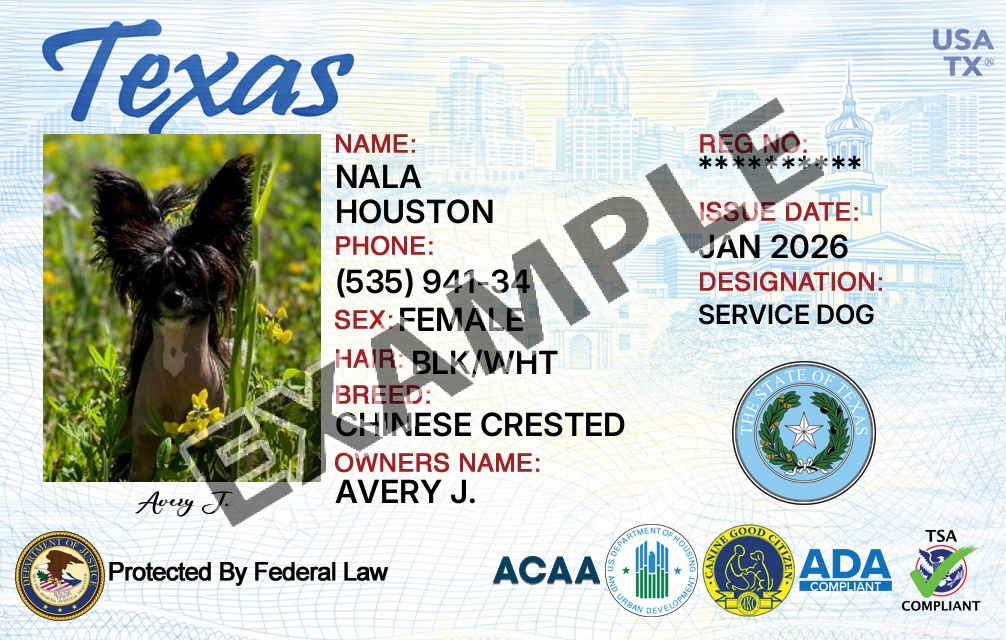
If you’re searching for how to register my dog in Moore County, Texas, the most important thing to know is that “registration” is usually handled at the local level (city or county), and it often ties directly to rabies vaccination compliance and local animal control rules. In other words, what counts as a dog license in Moore County, Texas can depend on whether you live inside a city limit (such as Dumas) or in the unincorporated parts of the county.
This page walks you through the typical process, the role of rabies documentation, and who to contact for an animal control dog license Moore County, Texas question—without sending you to third-party services.
Where to Register or License Your Dog in Moore County, Texas
Because licensing and enforcement can be handled locally, the offices below are common starting points for dog registration questions (licensing, at-large complaints, bite reporting, rabies quarantine guidance, and local ordinance enforcement). If one office doesn’t issue a license directly, they can usually tell you the correct office for your address.
Official offices to contact (examples)
| Office | Contact details |
|---|---|
Moore County Sheriff’s OfficeCounty law enforcement (often a first contact for animal-related enforcement questions in unincorporated areas)
|
Address: 700 S. Bliss Ave., Dumas, TX 79029
Office: 806-935-4145
Dispatch: 806-935-2151
Email and office hours: not listed in the referenced official source.
|
Texas DSHS — Public Health Region 1 (Moore County Disease Reporting Contacts)Regional public health contact for reporting and public health coordination (not a “license office,” but relevant for rabies/public health reporting guidance)
|
Main phone: 806-783-6448
24/7 reporting line: 806-778-7391
Lead epidemiology contact: Kevin McClaran
Direct phone: 806-783-6463
Email: Kevin.McClaran@dshs.texas.gov
Mailing address: 6302 Iola Avenue, Lubbock, TX 79424
Office hours: not listed in the referenced official source.
|
Overview of Dog Licensing in Moore County, Texas
What “registering” a dog usually means
In many Texas communities, “registering” a dog means one (or more) of the following, depending on local rules:
- Getting/renewing rabies vaccination from a licensed veterinarian and keeping the rabies certificate.
- Purchasing a local dog license or city tag (when required) based on proof of rabies vaccination.
- Complying with local animal control ordinances (leash/at-large rules, nuisance rules, bite reporting, and quarantine requirements).
Why the “local” piece matters in Moore County
Moore County has a mix of city jurisdictions and unincorporated areas. That’s why a dog license in Moore County, Texas is not always a single county-issued document. Instead, you typically start by identifying which local government has authority over your address (city animal control vs. county-level enforcement) and then follow that office’s specific licensing/tag steps.
How Dog Licensing Works Locally in Moore County, Texas
Step 1: Confirm your jurisdiction (city limits vs. county)
The first step for where to register a dog in Moore County, Texas is determining whether your home is located inside a municipality (city limits) or in the unincorporated county. This matters because:
- Some cities require a city-issued tag/license that may need annual renewal.
- Unincorporated areas may not have a city license program, but rabies compliance and animal control enforcement (especially bite/quarantine issues) still apply through local authorities and public health coordination.
Step 2: Keep current rabies vaccination documentation
Rabies prevention is the most common driver behind pet licensing/tag rules. In practice, local offices often require proof of current rabies vaccination before issuing a local tag (when tags are required).
Step 3: Ask specifically about licensing vs. enforcement
If you call an office and they don’t sell a license directly, ask two direct questions:
- “Is there a local dog license requirement for my address?”
- “Which office issues the tag or handles animal control dog license Moore County, Texas questions?”
Rabies enforcement and bite/quarantine procedures
Even when a city or county does not issue a standalone “dog license,” rabies-related rules still matter—especially after an animal bite or potential exposure event. Local law enforcement/animal control and regional public health agencies may become involved to ensure proper reporting, observation/quarantine, and public safety steps are followed.
Service Dog Laws in Moore County, Texas
A dog license is not the same as service dog legal status
A local dog license or city tag (when required) is about local animal rules—identity, rabies compliance, and local enforcement. A service dog is different: service dog status relates to the animal being trained to perform specific tasks for a person with a disability.
What a service dog can and cannot be required to do
While local rules can require dogs to follow general public safety and nuisance laws, service dog access rights are based on disability law, not on whether you purchased a local tag. In everyday situations, businesses and staff typically focus on whether the dog is under control and whether it performs disability-related tasks.
Do service dogs still follow local rabies and safety rules?
Yes. Service dogs are still dogs, and they generally must comply with applicable public health requirements such as rabies vaccination and basic public safety rules (leash/control unless a leash interferes with the dog’s work, and the handler maintains control through other means).
Emotional Support Animal Rules in Moore County, Texas
Emotional support animals (ESAs) are not service dogs
An emotional support animal provides comfort that can help with a person’s symptoms, but an ESA is not the same as a service dog trained to perform specific disability-related tasks. Because of that difference, ESAs do not automatically have the same public access rights as service dogs.
How ESAs relate to local licensing
From a local animal regulation standpoint, an ESA is typically treated like any other pet dog for purposes of rabies vaccination requirements, local tags/licenses (if any), and animal control rules. So if you’re asking how to register my dog in Moore County, Texas and your dog is an ESA, you should still follow the same local steps for vaccination documentation and any local licensing/tag requirements that apply to your address.